
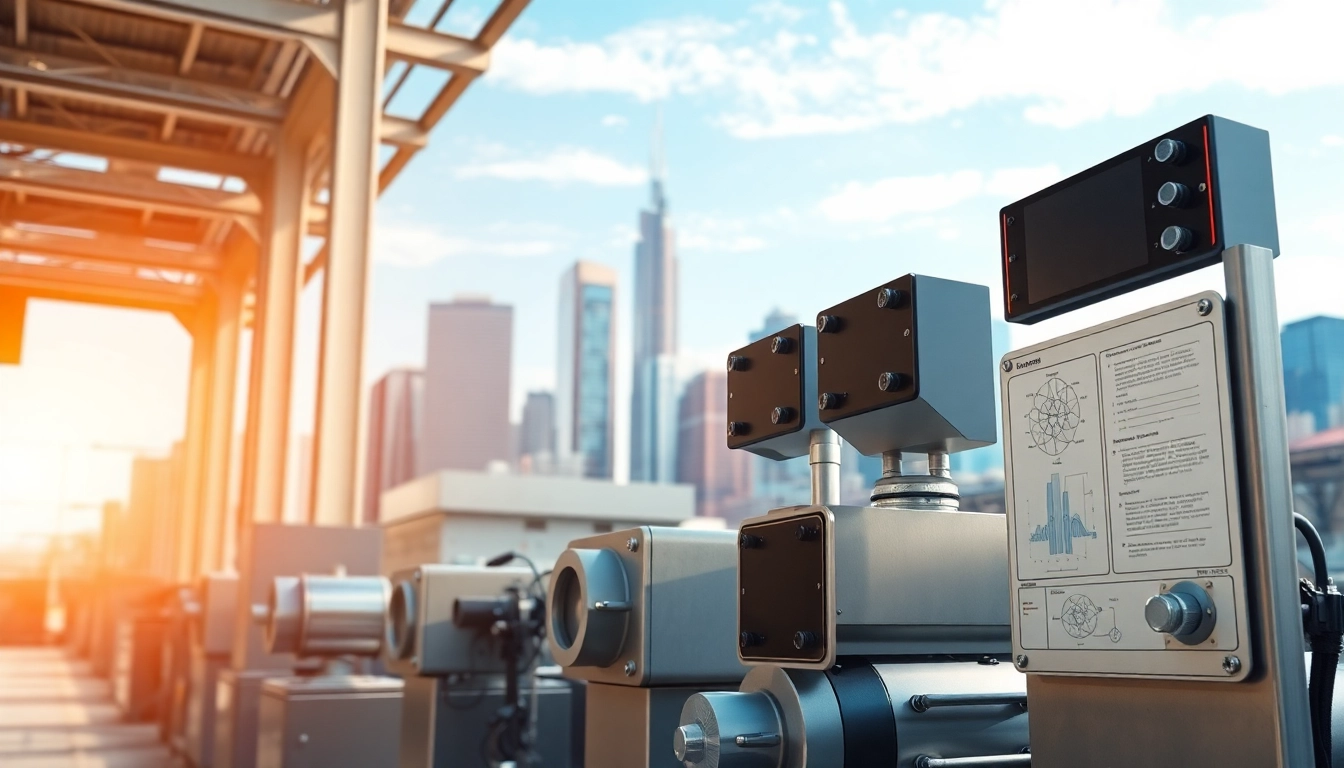
Introduction to Vibration Control
What is Vibration Control?
Vibration Control refers to the techniques and methodologies utilized to minimize or manage unwanted vibrations that occur in structures, machinery, and various other applications. These vibrations can stem from numerous sources, including motors, pumps, or even structural movements. Effective vibration control aims to reduce the amplitude and impact of these vibrations, ensuring that systems operate smoothly and remain functional over time. This can be crucial not only for preservation of equipment but also for safety and comfort in various settings. The domain of vibration control is complex because it addresses mechanical, acoustic, and structural dynamics, necessitating a blend of engineering principles and innovative technology. A key component in this field is the implementation of Vibration Control techniques.
Importance of Vibration Control in Various Industries
Vibration control plays a pivotal role across multiple sectors, including manufacturing, construction, aerospace, automotive, and consumer electronics. In manufacturing, for instance, excessive vibrations can lead to machinery malfunction, reduced lifespan, and higher maintenance costs. In aerospace and automotive fields, controlling vibrations ensures that vehicles are not only safe and comfortable for the passengers but also enhances performance by lowering wear and tear. Furthermore, industries such as construction are equally affected by vibrations that may impact structural integrity or cause discomfort for occupants. In essence, effective vibration control is integral for enhancing operational efficiency, safety, and user experience in diverse settings.
Overview of Vibration Control Techniques
The field of vibration control encompasses a variety of techniques that can be broadly classified into three main categories: passive, active, and adaptive systems. Each technique has its unique set of mechanisms tailored to specific requirements and applications.
- Passive Vibration Control: Utilizes materials and structures that naturally absorb or dampen vibrations without external energy input.
- Active Vibration Control: Employs sensors and actuators that respond in real-time to vibrations, actively counteracting them through control algorithms.
- Adaptive Vibration Control: Combines elements of both passive and active systems, adjusting to changing conditions and inputs, enhancing overall performance and effectiveness.
Types of Vibration Control Systems
Passive Vibration Control Systems
Passive vibration control systems work without the need for external power or active control mechanisms. These systems typically utilize materials that have inherent damping properties, such as rubber, foam, or specialized composites. By employing strategies such as isolation mounts, dampers, or tuned mass dampers, passive systems can effectively reduce the transmission of vibrations between structures or machinery. For example, buildings and bridges often use tuned mass dampers to counteract frequency-specific vibrations, enhancing structural stability and safety. They are particularly beneficial in scenarios where low maintenance and high reliability are required, as they do not rely on complicated machinery or active components.
Active Vibration Control Systems
Active vibration control systems utilize a combination of real-time data collection and responsive actuation to dynamically mitigate vibrations. These systems commonly employ sensors that detect vibrations and send signals to actuators, which then apply forces to counteract the detected movement. This proactive approach allows for precise vibration management, particularly in applications requiring high-performance standards, like aerospace and precision machinery. While effective, active systems traditionally require complex algorithms and pose challenges in installation and maintenance, which increases initial costs. Nonetheless, their adaptability to changing conditions makes them a strong choice for many high-tech applications.
Adaptive Vibration Control Systems
Adaptive vibration control systems combine elements of both passive and active techniques, offering flexibility and performance across varying conditions. These systems continuously monitor vibration inputs and automatically adjust their control strategies to optimize damping performance. One key advantage of adaptive systems is their ability to evolve with the environment—responding to changes in load, speed, or material properties, thus providing a tailored solution for complex scenarios. Applications can be found in high-rise buildings, where vibration responses can vary with wind conditions, and in automotive suspension systems, which need to adapt to road conditions dynamically.
Applications of Vibration Control
Industrial Applications of Vibration Control
In industrial settings, vibration control is critical for maintaining operational efficiency and safety. Manufacturing equipment such as motors, compressors, and turbines can generate substantial vibrations that may lead to increased wear on parts and greater energy consumption. By implementing vibration control systems, facilities can prolong the lifespan of their equipment, reduce breakdowns, and enhance productivity. Additionally, vibration monitoring systems are often deployed for predictive maintenance, allowing organizations to identify and address issues before they escalate into costly failures.
Impact on Transportation
Vibration control is equally vital in the transportation sector, where reducing vibration enhances safety and overall passenger experience. In vehicles, effective vibration management leads to improved ride quality, lower fatigue levels in the driver, and increased component lifespan. On a larger scale, public transportation infrastructure like train tracks uses vibration control measures to ensure stability and safety, mitigating noise and discomfort for passengers. Additionally, advancements in active suspension systems in automobiles and mass transit vehicles enable a smoother experience, directly impacting customer satisfaction and operational efficacy.
Vibration Control in Consumer Electronics
Consumer electronics have benefitted greatly from vibration control technologies. In devices like smartphones, tablets, and gaming consoles, vibration dampening is essential to enhance user experience and prevent hardware damage. Technologies such as gyroscopic sensors and XYZ-axis gimbals help in stabilizing cameras while filming, ensuring clear and shake-free visuals. As the industry pushes for more compact and powerful devices, innovative vibration control solutions continue to evolve, providing users with enhanced performance while also improving device longevity.
Benefits of Implementing Vibration Control
Improving Equipment Lifespan
One of the most significant benefits of implementing effective vibration control is the prolongation of equipment lifespan. Continuous exposure to excessive vibrations can accelerate wear and tear on components, leading to premature failures and costly repairs. By managing vibrations, industries benefit from reduced downtime and the need for frequent replacements. For instance, manufacturing sectors employing vibration control systems can observe not only longer machine life but also an increase in productivity due to less interruption from equipment failures.
Enhancing User Safety and Comfort
In environments where vibrations pose safety risks—such as in construction zones or manufacturing plants—the implementation of vibration control is crucial. Controlling excessive vibrations reduces the likelihood of accidents and equipment-related injuries. Additionally, in transportation and consumer electronics, effective vibration control significantly enhances user comfort. Passengers experience smoother rides, and users enjoy better device performance, ultimately improving overall satisfaction and safety.
Reducing Operational Costs
Vibration control directly contributes to decreasing operational costs for companies. By minimizing equipment failures and prolonging lifespans, companies can significantly cut down maintenance expenses and reduce the frequency of costly repairs. Furthermore, with enhanced safety protocols in place, organizations can avoid potential liabilities associated with workplace accidents. The cumulative benefits of vibration control present a compelling case for its implementation across various industries as a cost-effective strategy for optimizing operations.
Best Practices for Vibration Control Implementation
Assessment and Planning
The first step in implementing a successful vibration control system is a thorough assessment of the current state of equipment and surroundings. This involves understanding the sources of vibration and analyzing their impacts. Planning should include establishing clear goals for vibration reduction and identifying the best techniques—whether passive, active, or adaptive—that suit the specific needs of the application. Engaging with professionals experienced in vibration analysis can provide valuable insights during this phase and ensure that the chosen solution aligns with organizational objectives.
Installation Tips for Effective Vibration Control
When installing vibration control systems, precise placement and alignment are crucial for maximizing effectiveness. Components such as isolators or dampers should be installed in accordance with the manufacturer’s specifications to avoid inefficiencies. Regular calibration post-installation is also recommended to maintain performance. It is wise to document the installation process, noting any adjustments for future reference. This can greatly assist in troubleshooting and optimizing systems over time for maximum efficiency.
Monitoring and Optimization Strategies
Continuous monitoring is essential to ensure that vibration control systems remain effective over time. Utilizing sensors and data analytics can help organizations track vibration levels and identify abnormal patterns that require attention. Regular evaluations inform optimization strategies, enabling organizations to apply the latest advancements in technology to their existing systems. Effective monitoring not only prolongs the life of the equipment but also reduces operational disruptions, thanks to timely interventions.
Frequently Asked Questions
What is the primary purpose of vibration control?
The primary purpose of vibration control is to minimize unwanted vibrations in structures and machinery, enhancing performance, safety, and comfort while prolonging equipment lifespan.
How does passive vibration control work?
Passive vibration control systems utilize materials with inherent damping properties to absorb or reduce vibrations without requiring external energy, ensuring low maintenance and high reliability.
What industries benefit from vibration control techniques?
Vibration control techniques benefit a variety of industries, including manufacturing, transportation, aerospace, and consumer electronics, improving safety, performance, and equipment lifespan.
What are the advantages of active vibration control systems?
Active vibration control systems dynamically mitigate vibrations through real-time sensors and actuators, offering precise control and adaptability to varying conditions, resulting in improved performance.
Why is monitoring important in vibration control?
Monitoring is crucial to ensure the long-term effectiveness of vibration control systems, allowing for timely adjustments and optimizations that prevent equipment failures and ensure operational efficiency.