
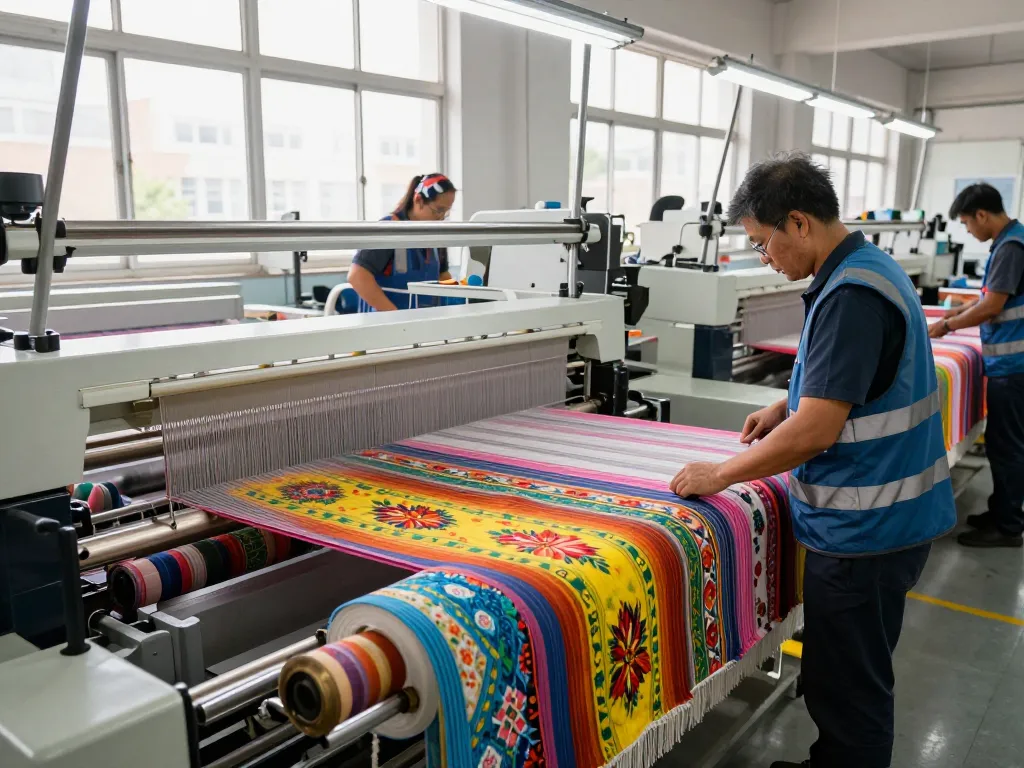
Understanding the Sunwin Textile Landscape
The textile industry is a dynamic and crucial sector, playing a pivotal role in the global economy. Among the key players in this industry stands Sunwin, recognized for its innovative approaches and extensive product offerings. With a commitment to quality and sustainability, Sunwin has established itself as a leader in textile manufacturing. As we delve into the fabric of the Sunwin brand, it becomes evident how this company integrates modern technology with traditional textile craftsmanship to meet the evolving demands of consumers.
When exploring options, sunwin provides comprehensive insights into the latest trends and innovations within the industry, ensuring that stakeholders remain competitive in a rapidly changing market.
What is Sunwin in the Textile Industry?
Sunwin is a prominent name in the textile industry, specializing in the production of a variety of textile products, including fabrics, garments, and home textiles. Founded with a vision of pushing boundaries in textile innovation, Sunwin has expanded its operations globally, catering to diverse market needs. The company prides itself on its ability to blend cutting-edge technology with traditional textile production methods, thereby creating products that not only meet quality standards but also resonate with the latest fashion trends.
Key Products and Services Offered by Sunwin
Sunwin’s product line includes a wide array of textiles, ranging from high-quality fabrics to finished garments. Some of the key products offered by Sunwin include:
- Home Textiles: Offering bedding, towels, and curtains with a focus on luxury and sustainability.
- Apparel: A diverse range of clothing items, including activewear, loungewear, and fashion apparel.
- Technical Textiles: Specialized textiles designed for industrial applications, combining functionality with durability.
In addition to these core products, Sunwin provides value-added services such as design consultation, custom manufacturing, and logistics support to ensure timely delivery and customer satisfaction.
Importance of Sustainable Practices in Textile Production
As consumers become increasingly conscious of their environmental impact, the demand for sustainable practices within the textile industry has surged. Sunwin recognizes this shift and has actively committed to implementing sustainable practices throughout its production processes. This includes:
- Utilizing eco-friendly materials and dyes that minimize water pollution.
- Adopting energy-efficient manufacturing techniques to reduce carbon footprints.
- Implementing recycling programs to repurpose waste materials and minimize landfill impact.
By prioritizing sustainability, Sunwin not only meets consumer expectations but also contributes to global efforts towards a greener planet.
Technological Advancements in Sunwin Manufacturing
The integration of technology into textile manufacturing has revolutionized the industry, and Sunwin is at the forefront of this transformation. By harnessing advanced technologies, the company has been able to enhance productivity while ensuring superior quality in its products.
Automation and Robotics in Textile Production
Automation plays a critical role in modern textile manufacturing, allowing for increased efficiency and precision. Sunwin has invested in state-of-the-art machinery and robotics to streamline its production lines. This not only speeds up the manufacturing process but also significantly reduces the margin for error, resulting in higher quality output. The use of automated systems enables Sunwin to respond swiftly to changes in market demand, ensuring that customers receive products on time.
The Role of IoT in Modern Textile Manufacturing
The Internet of Things (IoT) has emerged as a game-changer in the textile industry, offering unprecedented levels of connectivity and data analysis. Sunwin leverages IoT devices to monitor production processes in real-time, allowing for immediate adjustments based on performance metrics. This data-driven approach helps in maintaining consistent quality, optimizing production schedules, and minimizing waste.
Implementing AI for Quality Control and Efficiency
Artificial Intelligence (AI) is transforming quality control in the textile sector. Sunwin utilizes AI technologies to analyze product quality at various stages of manufacturing. By employing machine learning algorithms, the company can predict potential defects and implement corrective measures proactively. This not only ensures that products meet high standards but also enhances overall efficiency, reducing costs associated with rework and returns.
Market Analysis and Competitive Landscape
The textile market is highly competitive, with numerous players vying for consumer attention. Understanding the market dynamics is essential for Sunwin to navigate this landscape effectively.
Current Trends Impacting Sunwin Competitors
The textile industry is marked by rapid changes in consumer preferences, driven by factors such as fashion trends, economic conditions, and technological advancements. Competitors of Sunwin are increasingly focusing on sustainable practices and innovative designs to capture market share. This trend compels Sunwin to continuously adapt its strategies to stay relevant and competitive.
Consumer Demand and Preferences in Textiles
Today’s consumers are more informed and selective than ever before, seeking products that not only fulfill their functional needs but also align with their values. Key demand trends include:
- Sustainability: A growing preference for eco-friendly and ethically produced textiles.
- Customization: Increased demand for personalized products that cater to individual tastes.
- Comfort: A shift towards comfortable, versatile fabrics that suit various lifestyles.
Sunwin’s commitment to understanding these consumer preferences enables the company to innovate continually and meet market demands effectively.
Identifying Key Competitors in the Textile Sector
Analyzing the competitive landscape allows Sunwin to identify its main rivals and learn from their strategies. Some of the notable competitors in the textile sector include:
- H&M: Known for its fast fashion model and sustainability initiatives.
- Gap Inc: Offers a broad range of apparel with a focus on sustainability.
- VF Corporation: A major player in branded lifestyle apparel and footwear.
Understanding the strengths and weaknesses of these competitors helps Sunwin to refine its market positioning and strategic initiatives.
Best Practices for Enhancing Sunwin’s Brand Visibility
In an industry as competitive as textiles, brand visibility is essential for attracting and retaining customers. Sunwin must adopt innovative marketing strategies to enhance its presence in the market.
Effective Marketing Strategies for 2026
As we approach 2026, brands must leverage digital marketing strategies that resonate with consumers. Sunwin should consider the following approaches:
- Content Marketing: Creating valuable content that educates consumers about textile innovations and sustainable practices.
- SEO Optimization: Implementing robust SEO strategies to improve search visibility and drive organic traffic to their website.
- Influencer Collaborations: Partnering with influencers in the fashion and textile industries to reach targeted audiences.
By employing these strategies, Sunwin can strengthen its brand recognition and engagement with potential customers.
Leveraging Social Media for Brand Engagement
Social media platforms serve as powerful tools for brand engagement. Sunwin should actively utilize channels such as Instagram, Facebook, and Pinterest to showcase its products and connect with consumers. Engaging content, interactive posts, and consistent communication can build a loyal community around the brand.
Building Strategic Partnerships in the Textile Industry
Strategic partnerships can significantly enhance Sunwin’s market position. Collaborating with other brands, suppliers, and retailers can lead to mutually beneficial outcomes. Whether it’s co-branding initiatives or shared resources for sustainable practices, partnerships can amplify Sunwin’s reach and influence in the textile industry.
Future of Sunwin in Textiles: Predictions and Insights
The future of the textile industry promises to be both challenging and exciting. Sunwin must be proactive in adapting to the shifts that will shape the market in the coming years.
Emerging Trends Shaping the Textile Industry
Several emerging trends are set to influence the textile landscape, including:
- Smart Textiles: Innovations in wearable technology that incorporate electronics into fabrics.
- Blockchain in Supply Chain: Increased transparency and traceability in the textile supply chain.
- Augmented Reality: Enhanced consumer experience through AR technologies in online shopping.
Sunwin should remain agile and responsive to these trends to maintain a competitive edge.
How Eco-Friendly Initiatives Will Influence Business
As environmental concerns continue to escalate, brands that prioritize eco-friendly initiatives will have a distinct advantage. Sunwin’s commitment to sustainability will not only enhance its reputation but also attract a growing segment of eco-conscious consumers.
Preparing for Changes in Consumer Behavior and Preferences
Consumer behavior is constantly evolving, influenced by social, economic, and technological factors. Sunwin must stay attuned to shifts in preferences and be prepared to pivot its strategies accordingly. This could involve investing in research and development to innovate products that meet emerging consumer needs.
What are Sunwin’s main product lines?
Sunwin offers a diverse range of textile products, including home textiles, fashionable apparel, and technical textiles tailored for specific industries.
How does Sunwin ensure quality in its products?
Quality assurance is integral to Sunwin’s production process, involving rigorous testing and compliance with international quality standards at every manufacturing stage.
What innovations are being integrated into Sunwin’s production methods?
Sunwin integrates cutting-edge technologies such as automation, IoT, and AI to enhance manufacturing efficiency and product quality.
How can I benefit from Sunwin textiles?
Consumers can benefit from Sunwin textiles through high-quality products that combine style, comfort, and sustainability, catering to various preferences and lifestyles.
What are the sustainability efforts undertaken by Sunwin?
Sunwin’s sustainability efforts include using eco-friendly materials, implementing energy-efficient practices, and embracing recycling initiatives in its production processes.