
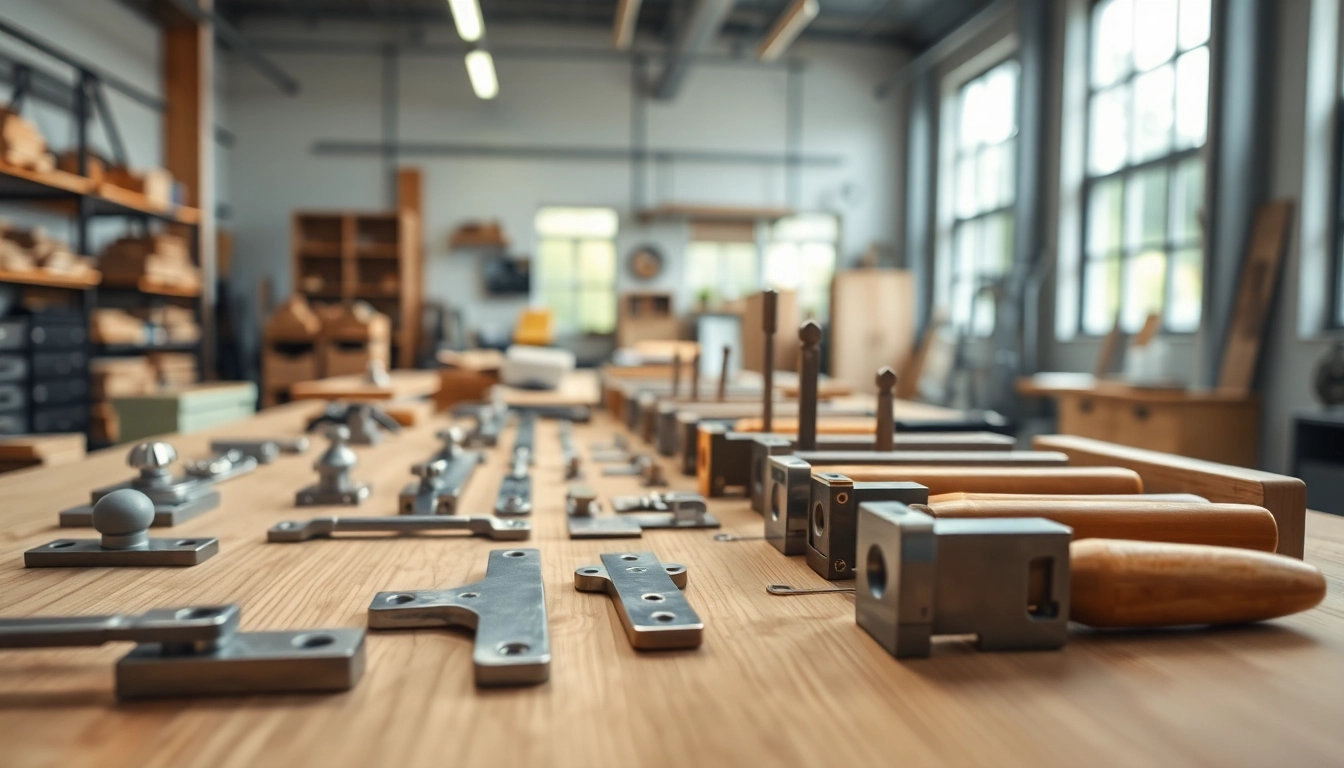
Understanding Furniture Hardware Manufacturers
In the world of furniture design and manufacturing, furniture hardware manufacturers play a crucial role. These manufacturers are responsible for producing a wide range of hardware components that are essential to the construction, functionality, and aesthetics of furniture. This article delves into the functions, products, and quality standards upheld by furniture hardware manufacturers, providing insights on how to select the right partner for your hardware needs.
What Do Furniture Hardware Manufacturers Do?
Furniture hardware manufacturers focus on designing and producing an array of essential components that support furniture construction and durability. Their products can range from hinges, drawer slides, and handles to sophisticated locking mechanisms and fastening devices. These components are pivotal in ensuring that furniture not only functions properly but also remains aesthetically pleasing.
Manufacturers often work closely with furniture designers and builders to create custom solutions that meet specific design requirements. This collaboration helps facilitate innovation, allowing manufacturers to introduce new components and features that enhance functionality and user experience.
Key Products Offered by Manufacturers
The product range from furniture hardware manufacturers is extensive, allowing for various applications depending on the intended use of the furniture. Below are some key categories:
- Hinges: These are essential for cabinet doors and furniture with movable parts, allowing for smooth opening and closing actions.
- Drawer Slides: Crucial for providing seamless extension and retraction of drawers, drawer slides can be found in ball-bearing, roller, and soft-close varieties.
- Handles and Knobs: These elements not only enhance ease of use but also serve as design accents on furniture pieces.
- Locks: Essential for security, locks are used in cabinets, desks, and other furniture to protect contents.
- Fasteners: These components, including screws, brackets, and anchors, are necessary for assembling and securing furniture pieces together.
The Role of Quality in Furniture Hardware
Quality is a paramount factor when selecting furniture hardware. High-quality hardware ensures both performance and longevity, contributing to the overall durability of the furniture. It is vital for manufacturers to adhere to rigorous quality control processes throughout their production cycles. This includes sourcing the best raw materials, employing advanced manufacturing techniques, and conducting thorough testing of finished products.
Investing in premium hardware can lead to cost savings over time, as it reduces the need for repairs and replacements. Consumers and manufacturers alike should prioritize quality to enhance product satisfaction and maintain a strong reputation in a competitive market.
Factors to Consider When Choosing Manufacturers
When deciding on a furniture hardware manufacturer, several critical factors come into play. It’s essential to thoroughly assess potential partners to ensure they align with your expectations and project requirements.
Evaluating Product Quality and Durability
Before entering a partnership, evaluate the manufacturer’s product quality by requesting samples and assessing their durability. Look for manufacturers that provide detailed specifications and performance metrics. Additionally, customer reviews and case studies can offer insights into the reliability and lifespan of their products. Prioritize manufacturers that use high-grade materials, as this often translates to better performance in the long run.
Understanding Manufacturing Processes
A manufacturer’s production processes can significantly impact the quality and efficiency of the hardware produced. Understanding how manufacturers operate allows you to make an informed choice. Look for manufacturers that utilize modern technologies, including CNC machining, 3D printing, and other advanced manufacturing techniques, which can enhance precision and reduce waste.
Additionally, inquire about the range of services a manufacturer offers, such as custom solutions, prototyping capabilities, and lead times for delivery. Reliable and transparent processes can not only streamline your projects but also contribute to a smoother working relationship.
Assessing Customer Service and Support
Effective customer service is a key factor in maintaining a fruitful partnership with a manufacturer. Assess their responsiveness, willingness to accommodate modifications, and overall support structure. Manufacturers should be able to provide guidance on product selection, technical specifications, and application methods. A cooperative relationship fosters effective communication, which can lead to more successful project outcomes.
The Impact of Technology on Manufacturing
Technological advancements have profoundly impacted the furniture hardware manufacturing industry. From automation to innovative materials, technology continues to reshape how hardware is designed, produced, and delivered.
Innovative Materials in Furniture Hardware
Today’s furniture hardware manufacturers increasingly experiment with advanced materials that optimize durability and aesthetic appeal. Metals like stainless steel, brass, and aluminum are commonplace due to their strength and resistance to corrosion. Additionally, the rise of engineered plastics offers lightweight alternatives that can deliver excellent performance while reducing overall weight in furniture designs. Innovations in composite materials also carry the potential for enhanced design flexibilities.
Automation in Production
Automation plays a critical role in modern manufacturing processes, from robotic assembly lines to sophisticated machining systems. Implementing automation can reduce errors, increase production rates, and lower labor costs. Manufacturers who embrace these innovations can provide their clients with faster turnaround times and consistently high-quality products, helping them to remain competitive.
Trends in Design and Functionality
As design trends evolve, so do the functionalities of furniture hardware. Contemporary design often favors minimalism, prompting manufacturers to create hardware that is not only functional but also invisible or integrated into the design. For instance, push-to-open mechanisms for drawers eliminate the need for traditional handles, enhancing the sleek lines of modern cabinetry.
Additionally, customization is becoming more prevalent. Manufacturers may offer tailored solutions that can cater to specific design themes or functional requirements, allowing furniture to be more versatile and user-friendly.
Best Practices for Working with Manufacturers
Establishing a beneficial relationship with furniture hardware manufacturers requires strategic communication, negotiation skills, and an emphasis on collaboration. Here are best practices to optimize your partnerships.
Establishing Effective Communication
Open and transparent communication is the foundation of a successful partnership. Foster a dialogue from the outset, discussing expectations, project timelines, and any potential challenges. Regular updates throughout the project keep all parties informed and can help troubleshoot issues before they escalate. Utilizing collaborative tools can facilitate better coordination and help manage complex projects more efficiently.
Negotiating Contracts and Pricing
Negotiating favorable contracts is critical for ensuring that all parties are aligned on deliverables and expectations. Prepare by researching market rates, understanding the manufacturer’s capabilities, and determining your budget constraints. Be clear about your terms, whether regarding pricing, quality benchmarks, or delivery times, and remain flexible so you can find mutually agreeable solutions.
Building Long-term Relationships
Developing long-term relationships can yield numerous benefits, such as improved pricing, priority service, and deeper collaboration on future projects. Commit to nurturing your partnership by engaging in regular feedback sessions, celebrating successes together, and demonstrating reliability in your own commitments. A long-term relationship fosters trust, enabling both you and your manufacturer to adapt as market demands evolve.
Frequently Asked Questions
What types of hardware do furniture manufacturers provide?
Furniture manufacturers provide various hardware, including hinges, drawer slides, locks, handles, and fasteners, essential for assembling functional furniture.
How do I choose the right manufacturer for my needs?
Consider key factors such as product quality, manufacturing capabilities, customer service, and relevant experience when selecting a manufacturer that aligns with your specific requirements.
What materials are commonly used in furniture hardware?
Common materials for furniture hardware include metals like stainless steel and brass, as well as engineered plastics and composite materials used for their strength and aesthetic flexibility.
How can I ensure quality in my hardware purchases?
Request samples, assess manufacturer quality certifications, and review customer feedback to ensure that your hardware purchases meet the desired quality standards.
What are the latest trends in furniture hardware design?
Current trends include minimalist designs, innovative materials, and integrated functionality, such as push-to-open mechanisms that enhance modern furniture aesthetics.