Understanding the Wildebeest Calving season safari
The Wildebeest Calving season safari is an exhilarating experience that provides an opportunity to witness one of nature’s most incredible spectacles: the birth of thousands of wildebeest calves in the Serengeti. This annual event not only draws wildlife enthusiasts but also captures the interest of photographers and conservationists alike. During this unique season, which typically occurs from late January to March, the Serengeti transforms into a temporary nursery filled with new life. For those seeking to partake in this remarkable journey, a well-planned safari is essential for maximizing the excitement and benefits of such an experience. A Wildebeest Calving season safari offers a front-row seat to the unfolding drama of nature.
What Happens During the Calving Season?
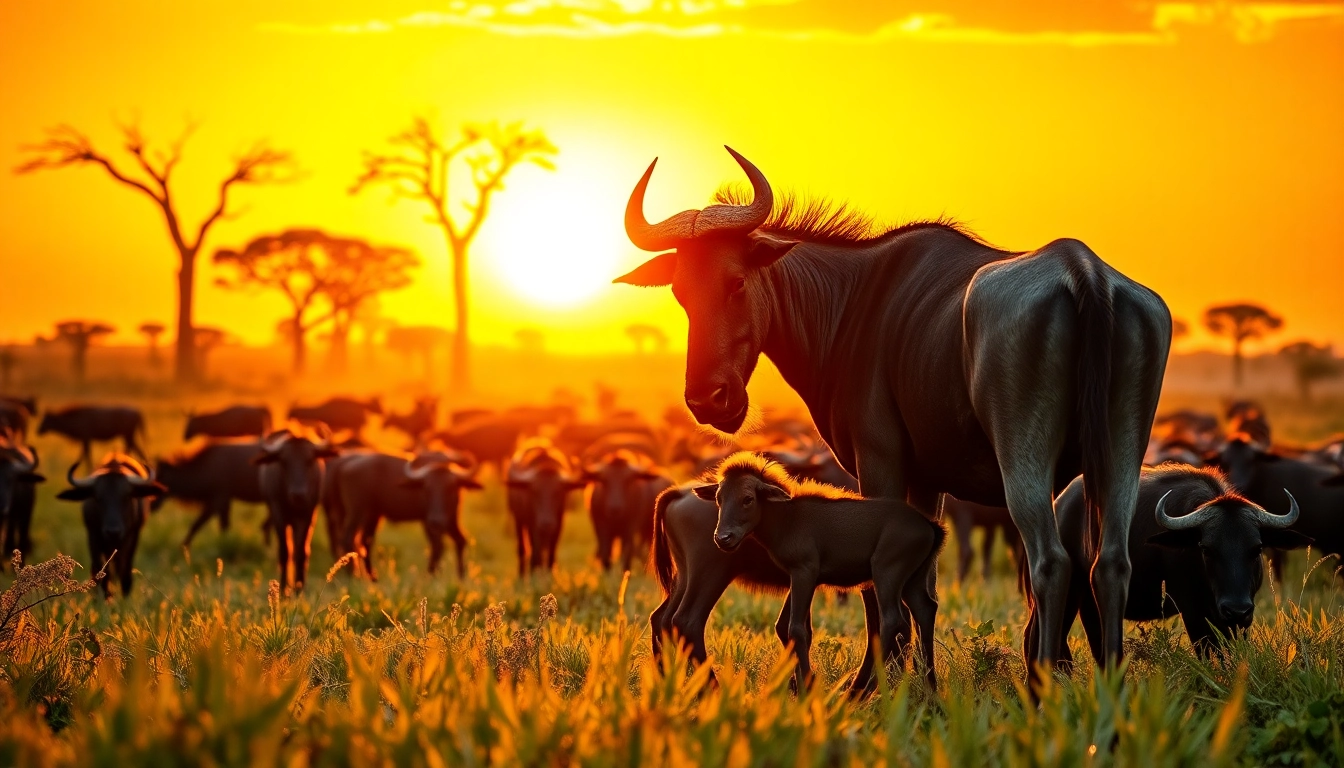
The calving season marks a critical period in the life of the wildebeest, where mothers give birth to their young in coordinated waves. Over a span of just a few weeks, approximately 500,000 calves are born, providing a massive food source for predators such as lions, hyenas, and crocodiles. The wildebeest exhibit remarkable behavior during this time; mothers separate from the herd to give birth, ensuring that their calves are hidden from potential threats. After giving birth, the mother will remain with her calf for about a week before joining back with the larger herd.
The timing of the calving season coincides with the nutritious grass growth that follows the rains in the Serengeti. This natural rhythm enhances the survival rates of the calves, as they are born at a time when resources are plentiful. As the herds migrate to seek better grazing, the calving season promotes genetic diversity and healthy populations within the species.
The Importance of Migration and Calving
The wildebeest migration is one of the most significant biological phenomena on the planet. It’s driven by the need to find fresh grazing pastures during the dry season and return to calving grounds during the wet season. The calving period is crucial not just for the survival of the wildebeest species, but also for the ecosystem as a whole. The influx of new calves bolsters the population that has to survive the imminent challenges posed by predators. Each year, this mass birth is not only a survival strategy but also a critical event that maintains the ecological balance where various species coexist.
Furthermore, the wildebeest migration and calving season have far-reaching implications for human economic activities, particularly in tourism. The influx of tourists eager to witness this natural marvel boosts local economies and supports wildlife conservation efforts. Without a robust population of wildebeest, the entire ecosystem and habitats that depend on their presence would suffer, leading to broader ecological consequences.
Impact of Weather on Calving Events
Weather patterns are pivotal to the timing and success of the calving season. Continuous rainfall ensures that the grasses remain lush and nutritious, providing the necessary sustenance for pregnant wildebeest. Variations in rainfall can shift the timing of births. For instance, too little rain leads to dry conditions that result in mothers giving birth to weaker calves; too much can flood grazing areas and disrupt feeding patterns.
Additionally, sudden weather changes can expose newborn calves to the elements, making them more vulnerable to harsh conditions. With the threat of predators looming, a wet season that brings about high grass growth can serve as both a blessing and a curse. A well-timed rainy season leads to abundant food and quicker recovery for calf survival, while adverse weather patterns can lead to increased mortality rates among the young.
Planning Your Wildebeest Calving season safari
Embarking on a Wildebeest Calving season safari necessitates careful planning to ensure the best experience possible. From timing your visit to selecting the right safari package, each element contributes to the overall thrill of your journey into the heart of Tanzania’s rich wildlife habitats.
Best Time to Visit for Optimal Sightings
The prime time to experience a Wildebeest Calving season safari is from late January to mid-March. During this period, the majority of wildebeest give birth, presenting an unparalleled glimpse into the vulnerability and resilience of these magnificent animals. While the exact timing can vary slightly from year to year based on weather conditions, generally, late January to early February marks the peak of calving activity.
Planning your trip around this window not only maximizes your chances of witnessing the birth of calves but also increases opportunities to see dramatic predator-prey interactions as hungry lions and hyenas take advantage of the vulnerable newborns.
Choosing the Right Safari Package
When selecting a safari package for the Wildebeest Calving season, it’s essential to consider the following factors:
- Accommodation Type: Luxury lodges, tented camps, or budget choices; select based on your comfort preference and financial capacity.
- Safari Duration: Typically ranging from three days to two weeks, longer trips allow for diverse wildlife encounters.
- Guided Tours: Opt for experienced guides who can enhance your understanding of the ecosystem and ensure a safe experience.
- Group vs. Private Tours: Group tours can offer camaraderie and lower costs, whereas private tours provide a tailored experience.
Research various tour operators and consider seeking recommendations or reading reviews to choose a reputable provider that prioritizes sustainability and ethical wildlife tourism.
What to Expect During the Safari Experience
A typical Wildebeest Calving season safari includes early morning game drives, providing the best chances for wildlife sightings as predators become more active. Expect to drive through the stunning landscapes of the Serengeti, with opportunities to observe not just wildebeests but also zebras, giraffes, elephants, and diverse bird species.
Throughout the day, there are often scheduled stops for breakfast or lunch in beautiful outdoor settings, allowing you to soak in the sights and sounds of the African savannah. Additionally, many safaris include guided walks or cultural visits to local communities, enhancing your understanding of the area’s rich heritage. Ultimately, each moment spent on safari immerses you deep into the wilderness, fostering a connection with nature that is both profound and transformative.
Wildlife Behavior During the Calving Season
The calving season presents unique behaviors among wildebeest and other wildlife. Understanding these interactions can enrich your safari experience, providing deeper insights into the behaviors that define the ecosystem during this critical time.
Interactions Among Herds
During the calving season, herds of wildebeest resettle in strategic locations optimal for safety and grazing. Migration patterns often lead to temporary herd mixing, reinforcing social bonds while ensuring a broad genetic diversity. Mothers will frequently be observed forming small “nurseries” with other females to collaboratively protect their young.
Interestingly, even in the face of predator threats, the parent wildebeest will exhibit cooperative behavior, often using alarm calls to alert others of potential danger. This instinctual response highlights the social structure intrinsic to wildebeest herds.
Predator Dynamics During Calving
The calving season is a critical time for predators as well. The influx of vulnerable calves presents rich hunting opportunities for various carnivores, including lions, hyenas, and cheetahs. These predators must tactically determine their approaches, often attempting to isolate weak or young targets from the herd.
The increased presence of predators during the calving season serves as a natural regulatory force, ensuring that only the strongest individuals survive and contribute to the next generation. Observing these dynamics can be both thrilling and sobering, reminding visitors of the balance inherent in nature.
Calf Survival Strategies in the Wild
Newborn wildebeest calves employ several survival strategies to navigate the dangers of their environment. Immediately after birth, they are instinctively hidden by their mothers, and their keen ability to stand and run within minutes of birth fortifies their chances against predators.
Moreover, older calves start exploring their surroundings alongside the herd, learning vital survival skills from their mothers. The herd’s migration pattern also leads to collective defense strategies—calves are protected in the center while adults form a circle around them, presenting a united front against predator attacks.
Photography Tips for Capturing the Calving Season
Capturing the essence of the Wildebeest Calving season can be an exhilarating endeavor for photographers. The interplay between light, movement, and emotion presents ample opportunities for stunning images. Whether you’re a seasoned photographer or a beginner, understanding the techniques can elevate your wildlife photography skills.
Optimal Settings for Wildlife Photography
For wildlife photography, setting your camera correctly is crucial. Use a fast shutter speed to freeze action, especially as you may be photographing scenes of birth or predator interactions. A shutter speed of 1/1000th of a second or faster can help capture movement with precision.
Wide apertures (low f-stop numbers) help you achieve beautiful bokeh, isolating subjects against blurred backgrounds. An ISO range of 400-1600 is typically effective when shooting in natural lighting conditions. Always remember to adapt your settings to the ever-changing landscape and lighting of the African savannah.
Composing Stunning Wildlife Shots
Composition plays a vital role in wildlife photography. Use the rule of thirds to create balanced and engaging images. Placing your subject off-center can lead to more visually appealing compositions. Look for natural frames within the continent’s stunning landscapes, such as silhouettes of acacia trees or dramatic rocky outcrops.
Be patient and allow moments to unfold. The best shots often come from moments of natural interaction or movement. Stay alert, actively observing, and be ready to reactive to unpredictable scenes as they unfold.
Using Lighting to Enhance Your Images
The quality of light significantly affects your photographs. Early morning and late afternoon provide the “golden hour” light with soft and warm tones, perfect for wildlife photography. Avoid shooting during harsh midday light unless necessary; shadows cast by strong sunlight can detract from your subjects and create unflattering contrasts.
When shooting moving subjects, consider using backlighting to create dramatic and striking images. Keeping the sun at your back allows the light to illuminate the animal’s features, revealing details typically hard to notice against the savannah backdrop.
Frequently Asked Questions about Wildebeest Calving season safari
1. When is the best time for a Wildebeest Calving season safari?
The best time to experience the Wildebeest Calving season safari is typically between late January and March when the majority of calves are born.
2. What should I bring on a Wildebeest Calving season safari?
Bring a good camera, binoculars, comfortable clothing, and sun protection to enhance your safari experience while exploring the wildlife.
3. Are there risks involved in participating in a Wildebeest Calving season safari?
While generally safe, it’s important to follow guide instructions and adhere to safety protocols to minimize risks from wildlife encounters.
4. Can children join a Wildebeest Calving season safari?
Yes, many safari tours are family-friendly, but check specific age restrictions with your tour provider before booking.
5. Is a Wildebeest Calving season safari expensive?
Costs vary based on duration, accommodations, and added activities, but there are options available for different budgets.