
Understanding Colonial Additions
Defining Colonial Addition
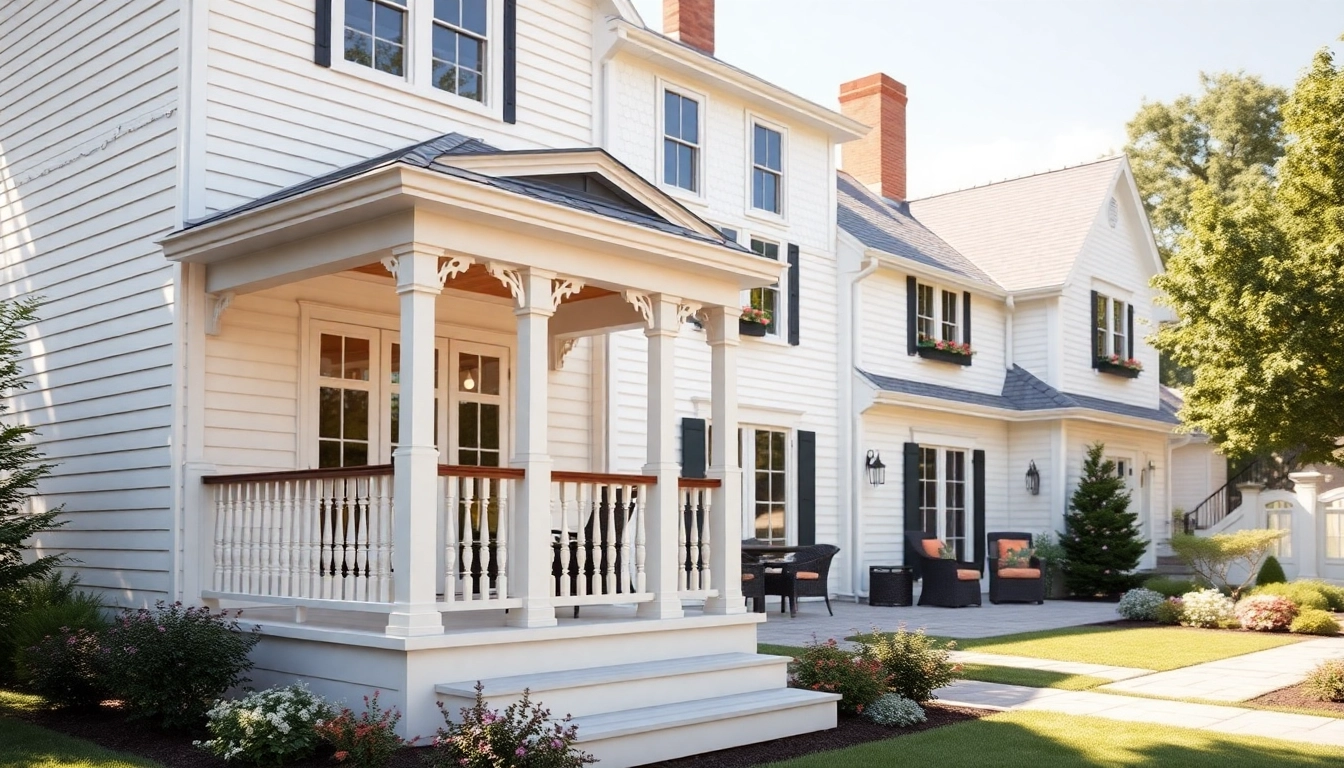
A colonial addition is an architectural extension that embraces the classic design styles originating from the colonial period, typically featuring symmetrical facades, gabled roofs, and classic detailing. These additions can significantly enhance the original aesthetic of a home while providing modern functionality and space. Whether you’re looking to add a new bedroom, expand your living area, or incorporate a modern kitchen, a colonial addition perfectly marries traditional charm with contemporary needs.
Historical Context of Colonial Architecture
The roots of colonial architecture trace back to the early settlement days in North America, heavily influenced by European styles from regions like England, Spain, and France. Each colonial style reflects the materials available, climate, and cultural influences of the time. For instance, Georgian-inspired homes are characterized by their ornate details, while Dutch colonials feature gambrel roofs and broad eaves. Understanding these historical contexts can help homeowners appreciate the intricacies of a colonial addition and how to incorporate them into their designs.
Benefits of Choosing Colonial Addition
Choosing a colonial addition comes with numerous advantages. Firstly, it preserves the nostalgic character of your home, allowing you to expand without losing its historical essence. Secondly, these additions often boost property value; homes with well-designed colonial additions typically fetch higher market prices due to their aesthetic appeal and increased square footage. Lastly, they can enhance energy efficiency, as modern building materials and technologies, when blended with traditional designs, can lead to improved insulation and lower utility bills.
Design Principles of Colonial Addition
Architectural Features to Consider
When planning a colonial addition, specific architectural features are critical to ensure that the new construction harmonizes with the existing structure. Key aspects include maintaining symmetry, proportion, and balance. Windows should be evenly spaced and consistent with the originals, while doors may follow traditional styles. Incorporating features like columns, railings, and cornices typical of colonial architecture can also enhance the overall appearance. Eye-catching elements such as pediments above doors or decorative moldings can add a touch of elegance without straying from the colonial theme.
Color Schemes and Materials
Color plays a pivotal role in colonial design. Traditionally, colonial homes boast earthy tones combined with whites, soft blues, or deep greens. When designing a colonial addition, it is vital to choose a color palette that complements the existing structure while providing a fresh yet cohesive look. Regarding materials, wood siding, brick, and stone are popular choices, providing both aesthetic and practical benefits. Especially for exterior touches, natural materials support the authenticity of the colonial style while ensuring durability.
Balancing Old and New Design Elements
Creating an effective colonial addition requires a blend of old and new elements. While modern amenities must be integrated into the new space, care should be taken not to overshadow the original home’s character. For instance, modern open floor plans may seem at odds with traditional enclosed spaces but can be achieved through careful space planning and design. Using traditional moldings and fixtures alongside contemporary spatial designs creates a seamless transition between the past and the present.
Implementation Steps for a Colonial Addition
Choosing the Right Architect
A successful colonial addition starts with selecting the right architect, someone experienced in both colonial architecture and modern building practices. Look for professionals who can provide a rich portfolio, exemplifying their capability to harmonize traditional styles with contemporary designs. Schedule consultations to discuss your vision and ensure the architect shares your appreciation for historical architecture, pushing them to create a design that embodies your desires while respecting the architectural lineage.
Planning and Budgeting Essentials
Budgeting for a colonial addition involves more than just construction costs. Initially, prepare for fees associated with architectural planning, permits, and construction management. When developing your budget, anticipate potential overruns, allowing flexibility for unforeseen challenges, especially in renovations involving older structures. Additionally, consider how the addition impacts future expenses, such as maintenance and utilities, to create a holistic financial plan that accommodates your aspirations.
Building Regulations and Permits
Before commencing construction, it is essential to understand local building regulations and secure the necessary permits. Check with your local zoning office regarding restrictions on styles, heights, and setbacks that might impede your plans for a colonial addition. This step ensures your project adheres to legal standards while helping avoid costly penalties. Also, consider historical preservation guidelines if your home is in a designated historic district, as these can affect your design choices and overall approach.
Maintaining Your Colonial Addition
Routine Maintenance Tips
To retain the beauty and functionality of a colonial addition, regular maintenance is crucial. This can include routine inspections of the roofing and siding to prevent weather damage, as well as checking for pests, which can damage wooden structures. Scheduling seasonal clean-ups will also keep gutters clear and indicate the need for paint refreshment, ensuring the addition remains both visually appealing and structurally sound.
Restoration Techniques for Old Elements
When incorporating or restoring old elements into a colonial addition, prioritize using historically accurate techniques and materials. For example, consider traditional wood restoration methods for old beams or intricate moldings. Furthermore, cleaning techniques should use mild soaps and prevent chemical damage to maintain the integrity of older materials. Retreating wood with natural oils extends its life and preserves its beauty, balancing modern interventions with historical authenticity.
Keeping Up with Modern Standards
Despite the traditional aesthetics of a colonial addition, adhering to modern building standards is paramount. This can include integrating contemporary heating and cooling systems, ensuring compliance with insulation standards, and using energy-efficient materials. To achieve a perfect balance, homeowners can use inconspicuous technology that does not detract from the colonial façade while significantly improving the building’s energy efficiency. Smart home technologies can also enhance the functionality of your home while respecting its historical architecture.
FAQs About Colonial Addition
What is a colonial addition?
A colonial addition is an architectural extension that retains the traditional style of colonial architecture while adding new space and functionality to a home.
How does a colonial addition impact home value?
A well-designed colonial addition can significantly enhance a home’s value, making it more appealing due to its architectural beauty and increased living space.
What are the costs associated with a colonial addition?
Costs vary based on size, design, and materials but typically include architectural fees, construction expenses, permits, and potential landscaping or interior updates.
What styles complement a colonial addition?
Styles such as Federal, Georgian, and Cape Cod complement colonial additions due to their shared elements, enhancing curb appeal and architectural harmony.
Are there special permits needed for a colonial addition?
Yes, building permits are often required for colonial additions. Local regulations may dictate zoning, height restrictions, and design guidelines, especially in historic districts.