
Understanding Sports Broadcasting: An Overview
Defining Sports Broadcasting and Its Importance
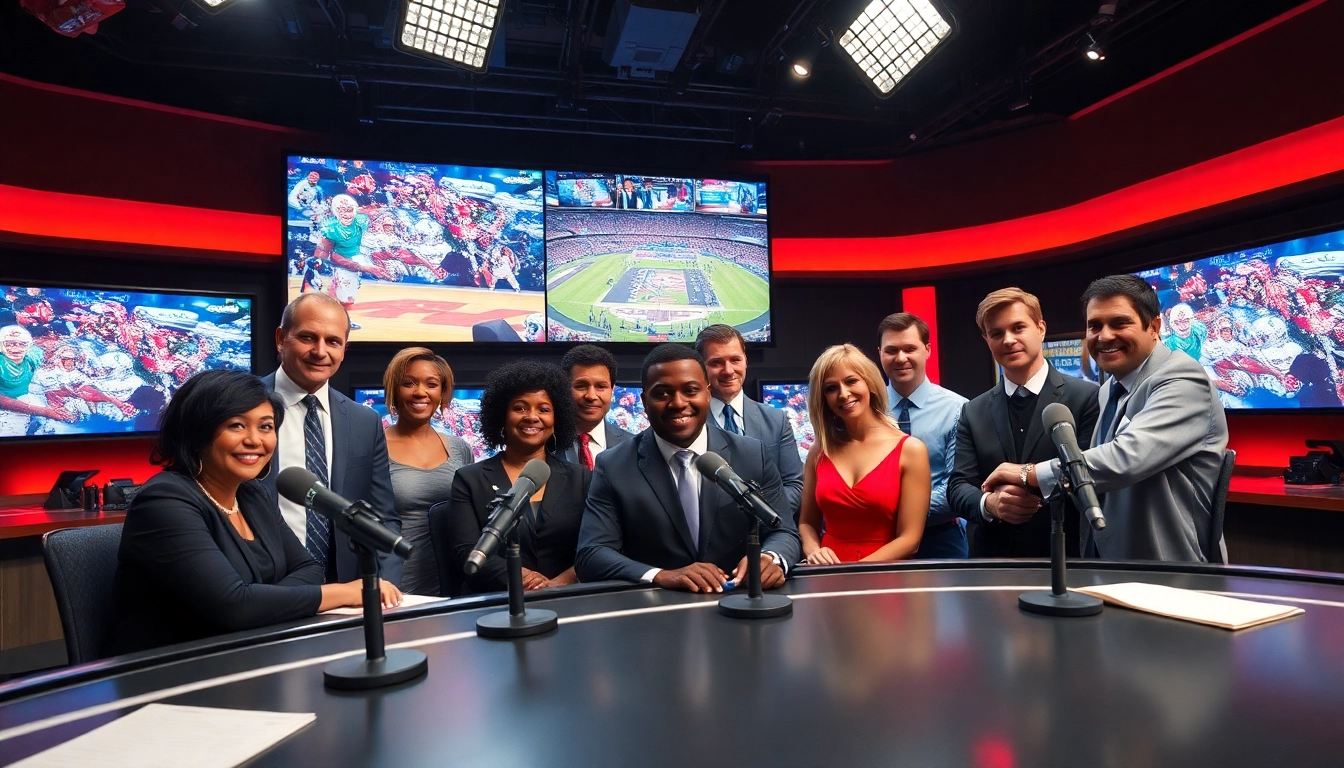
Sports broadcasting is a specialized field that involves the transmission of sports events to an audience via television, radio, or online platforms. Its importance is multi-faceted, impacting not just the visibility of sports but also driving significant economic benefits through advertising revenues, sponsorships, and audience engagement. By providing real-time access to live events, Sports Broadcasting cultivates a deep connection between fans and their favorite sports and athletes.
The Evolution of Sports Broadcasting
Sports broadcasting has undergone a transformative journey since its inception in the early 20th century. Initially, radio was the primary medium, with broadcasts of play-by-play commentary captivating audiences. The introduction of television revolutionized the industry, providing visual appeal that radio could not match. As technology advanced, we saw the rise of satellite and cable networks, which offered specialized sports channels. The current era has been marked by digital streaming services, allowing fans unprecedented access to games. This evolution has heightened expectations, with audiences now seeking instant access and diverse viewing options.
Key Players in the Sports Broadcasting Field
The sports broadcasting landscape comprises several key players, including local and national networks, streaming platforms, sports leagues, and advertising agencies. These entities work together to create compelling content that attracts and retains viewers. Major sports leagues have increasingly waded into broadcasting, driving negotiations with networks and developing direct-to-consumer platforms to maximize revenue and control over their content. This dynamic landscape is continuously evolving, significantly influencing how sports events are consumed globally.
Technologies Enhancing Sports Broadcasting
Emerging Technologies in Sports Broadcasting
Emerging technologies are reshaping the sports broadcasting landscape, enhancing viewer experiences. Innovations such as 4K Ultra HD and HDR (High Dynamic Range) offer clearer pictures and more vibrant colors. Advanced camera technologies, including 360-degree cameras and drones, provide unique perspectives on events. Artificial intelligence (AI) is also playing a role, from automating highlight generation to enhancing analytics that drive viewer engagement. These technologies not only improve the viewer experience but also allow broadcasters to provide more in-depth coverage, thus attracting a wider audience.
Impact of Streaming Services on Sports Broadcasting
The rise of streaming services has disrupted traditional sports broadcasting. Platforms like Netflix and Amazon Prime have altered consumer viewing habits, with their on-demand content leading to a decline in traditional cable subscriptions. Live sports streaming has gained traction due to its flexibility, enabling fans to watch events on multiple devices anytime, anywhere. The appeal of streaming also extends to niche sports and events that were previously underrepresented on national broadcasts, broadening the spectrum of available content and catering to diverse fan bases.
Integration of Augmented Reality in Sports Broadcasting
Augmented reality (AR) is beginning to play a significant role in sports broadcasting, offering innovative ways to engage with audiences. AR overlays provide a richer viewing experience by combining real-world footage with computer-generated images. For example, AR can display player stats, historical data, and game strategies in real-time during broadcasts. This immersive experience enhances understanding and engagement, making broadcasts more informative and appealing to tech-savvy viewers, particularly younger demographics who crave interactive content.
Engaging Audiences Through Sports Broadcasting
Creating Interactive Viewing Experiences
Creating interactive viewing experiences is vital for keeping audiences engaged in a crowded marketplace. Broadcasters have begun incorporating interactive elements such as live polls, quizzes, and social media feeds into broadcasts. This interactivity not only keeps viewers engaged but also encourages them to participate actively, turning passive viewing into a dynamic experience. Additionally, gamification strategies such as fantasy leagues can create deeper connections between fans and the sports they love, fostering community and loyalty.
Utilizing Social Media for Sports Broadcasting
Social media platforms have become integral to sports broadcasting strategies. By leveraging channels like Twitter, Instagram, and TikTok, broadcasters can provide real-time highlights, behind-the-scenes content, and driver fan interaction. These platforms enable the amplification of live events, allowing fans who may not be tuning into the broadcast to still engage with the sport. Engaging with fans through social media fosters a sense of community and allows broadcasters to attract a younger demographic, ultimately increasing viewership.
Strategies for Growing Audience Engagement
To grow audience engagement, broadcasters must adopt a multi-faceted approach. Key strategies include personalization of content, leveraging user-generated content, and utilizing data analytics to understand viewer preferences better. Personalized content, delivered through targeted advertising and tailored programming, ensures that fans receive relevant information. User-generated content, such as fan videos or comments, provides a sense of shared ownership and community. Data analytics helps broadcasters assess viewer habits, enabling them to build stronger, more engaging experiences that resonate with their audience's interests.
Challenges in the Sports Broadcasting Industry
Addressing Rights and Licensing Issues
One of the foremost challenges in sports broadcasting is navigating the complex world of rights and licensing agreements. Broadcasters must negotiate deals that not only protect their interests but also align with the financial demands of leagues and teams. The rise of streaming services has further complicated matters, as these platforms often seek exclusive broadcasting rights. In an environment where content is king, understanding and managing these legal frameworks is crucial for broadcasters aiming to maintain market relevance and profitability.
Competing with Non-Traditional Broadcasting Platforms
Traditional broadcasters increasingly face competition from non-traditional platforms, including social media and streaming services. These platforms provide alternative viewing experiences that attract younger audiences, often bypassing conventional broadcasting altogether. Broadcasters must innovate to retain viewers, potentially by adopting similar interactive features or creating exclusive content unavailable elsewhere. Assessing this competitive landscape is critical for developing effective strategies that draw in diverse demographics and promote sustained audience loyalty.
Ensuring Quality in Live Broadcasts
Maintaining quality in live broadcasts presents an ongoing challenge due to potential technical malfunctions, talent management, and logistical issues. Broadcasters must invest in high-quality equipment and infrastructure to ensure a seamless viewing experience. Furthermore, training and retaining skilled personnel is vital, as the quality of commentary and presentation significantly influences viewer perception. Having contingency plans for technical difficulties can ensure reliable broadcasts, preserving viewer trust and engagement.
The Future of Sports Broadcasting
Predicting Changes in Viewer Habits
As technology continues to advance, predicting changes in viewer habits becomes increasingly important. Today's audiences are more inclined towards personalized and on-demand content, preferring to engage with highlights and replays on their own terms rather than being tied to a fixed broadcast schedule. This trend indicates a shift toward flexible viewing options, where interactivity and personalization are paramount. Broadcasters must adapt, ensuring their offerings align with evolving viewer preferences to stay relevant in a competitive landscape.
The Role of Data Analytics in Sports Broadcasting
Data analytics has taken center stage in the realm of sports broadcasting, allowing networks to create tailored experiences for viewers. By analyzing viewer behavior and preferences, broadcasters can optimize content delivery, enhance programming strategies, and improve advertising effectiveness. Understanding audience insights enables more informed decision-making, helping networks to develop content that resonates deeply with their demographic, encouraging greater engagement and loyalty.
Future Technologies Shaping Sports Broadcasting
Future technologies such as artificial intelligence, virtual reality, and blockchain promise to reshape sports broadcasting in profound ways. AI can streamline content creation and distribution, while virtual reality enhances the immersive experience, allowing fans to “attend” events from anywhere in the world. Blockchain technology has the potential to revolutionize ticketing and rights management, increasing transparency and security in transactions. Broadcasters who embrace these technologies will likely lead in the emerging landscape of sports media.
Frequently Asked Questions
What is sports broadcasting?
Sports broadcasting refers to the distribution of sports content through mediums such as TV, radio, and streaming platforms, engaging audiences worldwide.
How has technology changed sports broadcasting?
Technology has significantly enhanced sports broadcasting through improved video quality, live streaming capabilities, and interactive features that engage viewers.
What challenges do sports broadcasters face?
Key challenges include navigating rights and licensing issues, competing with non-traditional platforms, and ensuring broadcasting quality during live events.
How do streaming services impact traditional sports broadcasting?
Streaming services have disrupted traditional broadcasting by providing on-demand and flexible viewing options, attracting younger audiences and altering viewing habits.
What is the future of sports broadcasting?
The future of sports broadcasting lies in advanced technologies, data analytics, and shifts towards more personalized and interactive viewing experiences.