Understanding the Scituate In-Law Expansion
What is an In-Law Expansion?
An in-law expansion is a purposeful extension of a family's home, specifically designed to accommodate extended family members, such as parents or grandparents, in a private living area. This design typically includes essential amenities like a bedroom, bathroom, and sometimes a small kitchenette, allowing relatives to enjoy their independence while remaining close to family support. The concept has gained popularity as families block out increasing housing costs and the challenges of moving. The Scituate In-Law Expansion exemplifies modern interpretations of this traditional dwelling style, accommodating multigenerational living trends.
History and Trends
The practice of creating separate living quarters for family members has historical roots dating back to the early 20th century when, in many cultures, housing extended families under one roof was commonplace. More recently, the rising cost of living has caused a resurgence of in-law units, particularly in suburban areas, where families seek solutions to keep loved ones nearby without the high expenses of an additional home. Trends show that a significant percentage of new homes are including in-law suites, indicating a shift towards flexible living arrangements. This evolution reflects changing societal norms, including aging populations and the need for families to support one another.
Designing for Comfort and Space
In-law expansions are designed with both comfort and practicality in mind. Achieving a balance between personal privacy and communal interaction is crucial. Designers often suggest creating layouts that prioritize accessibility, with open floor plans that enhance movement throughout the space. Thoughtful integration of outdoor spaces can also enhance the unit's livability. Furthermore, the use of efficient storage solutions, such as built-in shelving and multifunctional furniture, ensures that the area remains uncluttered and functional, catering to all residents’ needs.
Benefits of the Scituate In-Law Expansion
Enhancing Property Value
One of the immediate benefits of an in-law expansion is the potential increase in property value. Real estate markets have shown a clear preference for homes with additional living spaces, as they can attract a broader range of buyers, especially those interested in multigenerational living arrangements. Homeowners may see a solid return on investment through well-planned in-law units, making it a wise choice for owner-occupants looking to improve their property's appeal.
Creating Family Connections
The primary purpose of an in-law expansion is to foster stronger family connections. By keeping loved ones close without compromising their independence, families can improve relationships and thus enhance the emotional and psychological well-being of all generations living under the same roof. Having family members nearby allows for shared experiences, caregiving support, and regular communication, contributing to a sense of community within the household.
Improving Livability
In-law expansions can significantly improve the overall livability of a home. They provide additional space that can be used for various purposes, whether entertaining guests, creating a home office, or hosting family gatherings. This flexibility allows homeowners to cater to evolving family needs, ensuring that the living environment remains accommodating and functional over time. Moreover, such expansions can alleviate housing pressures within families, reducing the need for costly moves or separate homes.
Design Considerations for In-Law Expansions
Architectural Styles
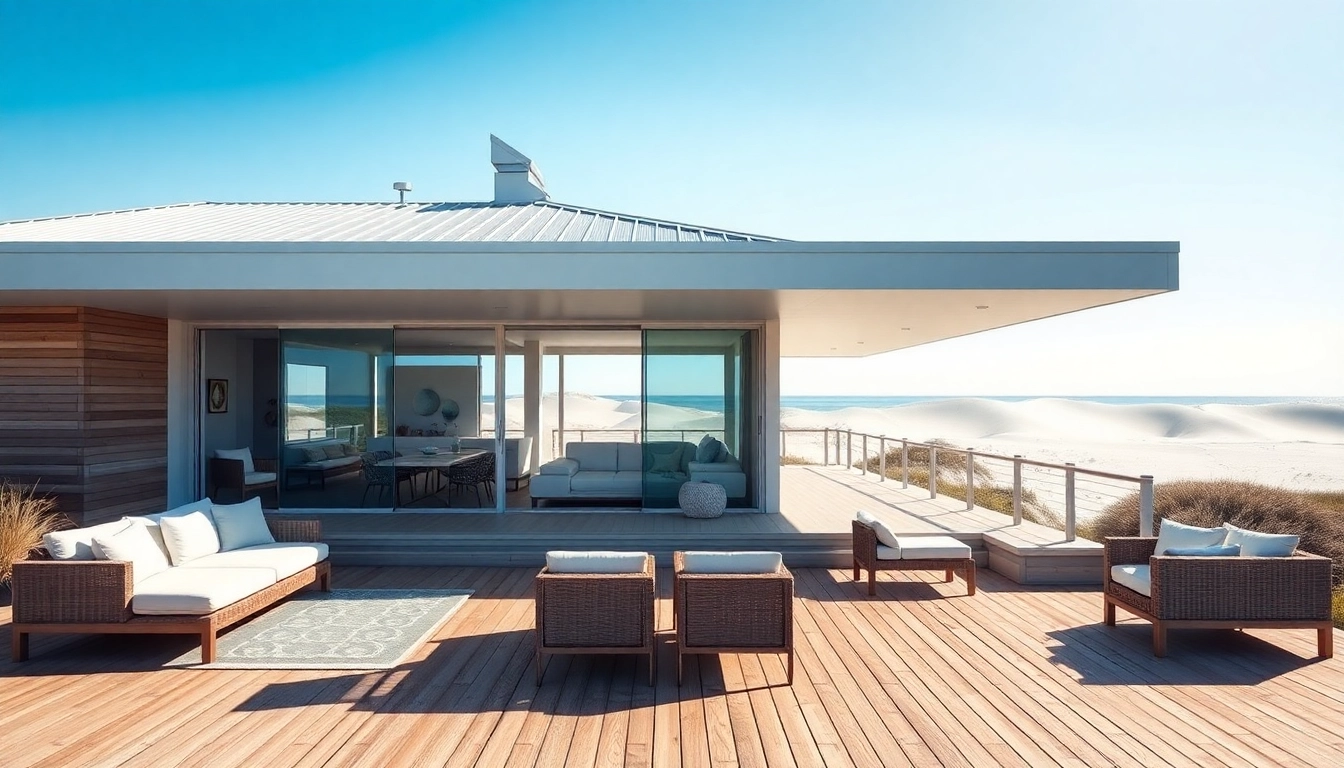
The architectural style of the in-law expansion should be cohesive with the existing home, enhancing its aesthetic and functional appeal. Traditional styles like Craftsman or Colonial can blend seamlessly with existing structures, while contemporary designs offer a sleek contrast. Homeowners are also encouraged to explore eco-friendly designs that incorporate sustainability, such as green roofs or solar panels, contributing positively to the home's carbon footprint. Whichever style is chosen, it’s vital to have the expansion blend harmoniously with the environment while meeting the needs of those who will reside there.
Maximizing Natural Light
Natural light can dramatically influence the ambiance and perceived space of an in-law suite. Strategic placement of windows, skylights, and glass doors can brighten up the living area, making it feel more inviting. Not only does natural light enhance the aesthetic appeal, but it contributes positively to the mental health of those living in the suite by reducing feelings of claustrophobia and promoting a connection with the outdoors. Incorporating elements such as light tubes can be a smart solution for areas where windows may not be possible.
Functional Layouts
When designing an in-law expansion, functionality is paramount. The layout should ensure ease of movement while accommodating essential amenities. It is advisable to integrate a well-thought-out flow that allows easy access to the bedroom, bathroom, and common areas while maintaining privacy. Multi-use spaces, where areas can serve different functions throughout the day, can be a practical consideration in smaller layouts. Utilizing open shelving, moveable furniture, and keeping pathways clear and spacious will enhance the overall usability of the setting.
Compliance and Regulations
Building Codes and Zoning
Familiarizing oneself with local building codes and zoning regulations is essential before undertaking any expansion project. Regulations can vary significantly based on location, and certain areas may have restrictions on the size and function of in-law suites. For example, some municipalities may require a minimum square footage or designate specific units as "Accessory Dwelling Units." Ensuring compliance with these codes can save homeowners from future legal troubles and unexpected costs.
Permitting Process
The permitting process can be one of the most challenging aspects of a home expansion. Homeowners must submit detailed plans and designs to local zoning and building authorities. This process may involve public hearings or neighborhood notifications. It’s advisable to engage professionals who understand local regulations to streamline this process. Planning ahead and allowing ample time for potential delays can help ease the overall experience.
Environmental Considerations
Incorporating environmental considerations in the expansion process can lead to long-lasting benefits for both the occupants and the surrounding ecosystem. Use of sustainable materials, energy-efficient designs, and water conservation methods can minimize the ecological impact of the expansion. Additionally, homeowners should consider site-specific factors, such as local wildlife habitats and vegetation, when planning their designs. These conscious decisions contribute to a healthier environment and can yield savings in energy and maintenance costs.
FAQs About Scituate In-Law Expansion
What is an in-law suite?
An in-law suite is a self-contained living area designed to provide independent accommodations for family members, typically featuring a bedroom, bathroom, and small kitchenette.
How do I start an expansion project?
To begin, assess your specific needs, consult with an architect or designer, and familiarize yourself with local zoning regulations pertaining to your Scituate In-Law Expansion.
What are cost factors to consider?
Cost considerations include design complexity, materials, labor, and local permitting fees. A well-structured plan helps ensure effective budgeting for your Scituate In-Law Expansion.
Can I add a kitchen in the suite?
Yes, many in-law suites include kitchen amenities to promote independence. It's essential to verify your local zoning laws before adding full cooking facilities.
How long does the expansion process take?
The timeline for completing an expansion can vary greatly, generally ranging from a few months to over a year, depending largely on design complexity and permitting processes.