
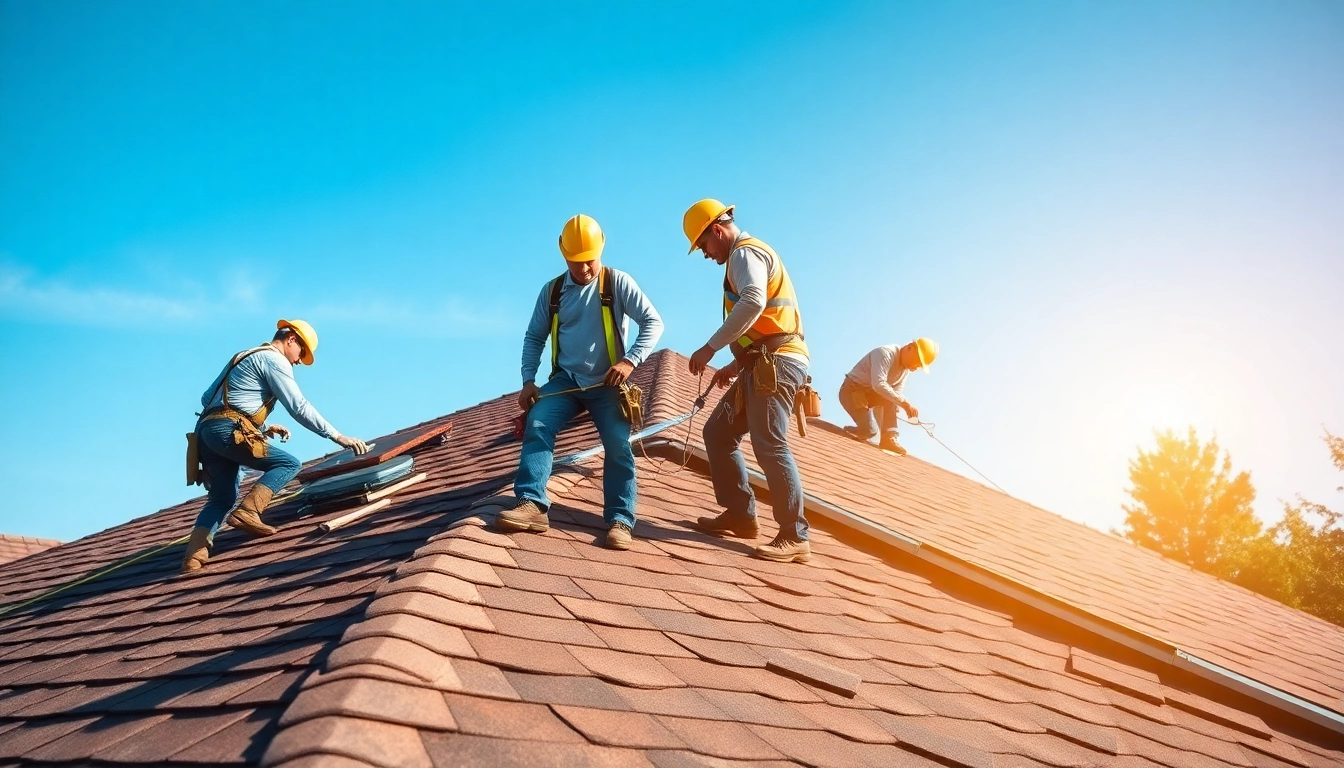
Understanding the Role of a Roofing Company
Choosing a roofing company involves more than just finding someone to get the job done; it encompasses understanding their wide range of services, the professionalism required, and the myths that permeate this industry. A reliable Roofing company plays a vital role in maintaining the integrity of your home. Whether you need a roof replacement, repair, or inspection, having professionals by your side is essential for ensuring quality work.
What Services a Roofing Company Offers
Roofing companies provide various services tailored to meet the needs of homeowners. These typically include:
- Roof Installation: Installing a new roof, whether it’s asphalt shingles, metal, tile, or flat roofing systems.
- Roof Repair: Fixing leaks, replacing damaged shingles, and performing emergency repairs.
- Roof Inspection: Comprehensive evaluations to identify potential issues and ensure the roof’s longevity.
- Maintenance Services: Regular upkeep to prolong the life of the roof and prevent costly repairs.
- Gutter Installation and Repair: Essential for managing water flow and protecting the roofing structure.
- Consultation and Recommendations: Expert advice on roofing materials and design options that are suitable for your specific needs.
The Importance of Hiring Professionals
It might be tempting to attempt roofing projects yourself or hire inexperienced workers to save money. However, hiring professionals is critical for several reasons:
- Expertise: Roofing experts have the necessary training and experience to handle various roofing systems and potential complications.
- Safety: Working at heights poses significant risks, and professionals are equipped with safety gear and protocols to mitigate these dangers.
- Warranties: Professional installations come with warranties, ensuring that you are covered in case of future issues.
- Time and Efficiency: Professionals can complete tasks more quickly and thoroughly than untrained individuals.
Common Myths About Roofing Companies
Several myths can mislead homeowners when it comes to hiring roofing companies. Debunking these misconceptions is essential for making informed decisions:
- All Roofing Companies Are the Same: This is false; companies vary in experience, quality of materials used, and customer service.
- Roofing Is Always Expensive: While costs can be high, understanding pricing structures can help homeowners find affordable options.
- You Can Do It Yourself: While DIY projects can save money, they often result in higher costs down the line due to mistakes.
- Roofing Work Is Only Needed When There’s a Problem: Regular inspections and maintenance are crucial to prolonging roof life.
Qualities to Look for in a Roofing Company
When selecting a roofing company, several key qualities should guide your decision. These attributes not only indicate the company’s reliability but also its commitment to quality work.
Experience and Expertise
An established roofing company should have a significant amount of experience in the industry. Look for companies that:
- Possess a portfolio of completed projects.
- Have been in business for several years.
- Employ certified and trained roofing professionals.
Experience often translates to a better understanding of various roofing systems and how to tackle unique challenges.
Licensing and Insurance Requirements
It’s crucial to verify that your chosen roofing company holds the proper licenses and insurance. This can protect you from liability in the event of accidents or damages. Make sure they provide:
- A valid state contractor’s license.
- Liability insurance to cover potential damages during the project.
- Workers’ compensation insurance to protect employees working on your property.
Customer Reviews and Testimonials
Reviews and testimonials can provide insight into the quality of service a roofing company offers. Explore customer feedback through:
- Online platforms like Google Reviews or Yelp.
- Testimonials on the company’s official website.
- Asking for references from past clients.
Positive feedback often reflects a company’s commitment to customer satisfaction and quality workmanship.
Cost Considerations When Hiring a Roofing Company
Understanding costs is essential to ensure your roofing project fits within your budget while still receiving high-quality service.
Understanding Pricing Structures
Pricing for roofing services can vary widely. Here are some common components of pricing structures:
- Square Footage: Most roofing companies charge based on the size of the roof.
- Material Costs: Different materials can significantly affect overall costs. For instance, premium materials like metal or tile will cost more than asphalt shingles.
- Labor Costs: Labor can range depending on the complexity of the project and the company’s pricing model.
Common Additional Costs
In addition to the basic costs of roofing services, homeowners should be aware of potential additional expenses, including:
- Remove Old Roofing: Removing and disposing of old roofing may incur extra charges.
- Structural Repairs: Hidden issues such as rot or damage may require repairs before new roofing can be installed.
- Permits: Depending on local regulations, permits may be necessary, adding to overall project costs.
Tips for Budgeting Your Roofing Project
Budgeting effectively can ease financial stress during your roofing project. Consider the following tips:
- Get Multiple Estimates: Obtain quotes from various roofing companies to compare pricing and services.
- Prioritize Essential Repairs: If you’re on a tight budget, focus on critical repairs before aesthetics.
- Set Aside a Contingency Fund: Allocate additional funds for unexpected expenses that may arise during the project.
Evaluating Roofing Materials with Your Company
The choice of roofing material can dramatically affect the durability, appearance, and longevity of your roof. Collaborating with your roofing company to evaluate options is vital.
Popular Roofing Materials and Their Benefits
Various roofing materials offer specific advantages. Here are some commonly used options:
- Asphalt Shingles: Affordable, easy to install, and available in a variety of colors.
- Metal Roofing: Long-lasting, energy-efficient, and resistant to extreme weather.
- Tiles: Durable and available in clay or concrete options, offering aesthetic appeal.
- Built-Up Roofing: Ideal for flat roofs, it provides excellent water resistance and durability.
Factors Influencing Material Choice
Several factors influence your choice of roofing material, including:
- Climate: Some materials withstand particular weather conditions better than others.
- Home Style: The material should complement the architectural style of your home.
- Budget: Your financial constraints will determine the materials you can afford.
Longevity and Warranty Considerations
Understanding the longevity of roofing materials and their warranties is crucial for making informed decisions:
- Longevity: Different materials have varying lifespans. Asphalt shingles typically last 15-30 years, while metal can last 40 years or more.
- Warranties: Be sure to obtain written warranties covering both materials and workmanship for adequate protection.
Project Management with Your Chosen Roofing Company
Effective project management is key to ensuring your roofing project runs smoothly and efficiently. Communication and planning play critical roles in this process.
Effective Communication During the Project
Communication is the backbone of any successful project. Follow these steps to maintain clear lines of communication with your roofing company:
- Establish Points of Contact: Designate primary contacts on both sides to streamline communication.
- Regular Updates: Request regular progress updates to stay informed about timelines and developments.
- Address Issues Promptly: If problems arise, speak up immediately to find solutions together.
Dealing with Challenges and Delays
Unexpected challenges, such as weather conditions or material shortages, may arise during a roofing project. Having a plan in place to address these issues promptly is vital:
- Flexibility: Be prepared to adjust timelines and expectations as necessary.
- Contingency Planning: Develop backup plans for critical tasks that could face delays.
- Negotiate Fairly: Work collaboratively with your roofing company to resolve any issues that may arise.
Post-Project Inspections and Expectations
Once the project is complete, conducting a thorough inspection ensures that the work meets your expectations:
- Walk-through Inspection: Review the completed work with your roofing company to identify any concerns.
- Document Findings: Take notes and photographs of the final work for future reference.
- Final Payment: Hold off on final payments until all aspects of the project meet your satisfaction.
Frequently Asked Questions
What should I expect during a roof installation?
During a roof installation, expect a thorough assessment, removal of old materials, installation of new roofing, and thorough clean-up. The entire process may take a few days, depending on complexity.
How do I know if I need a roof repair or replacement?
Signs like leaks, extensive damage, or age are indicators. A qualified roofing company can assess your roof’s condition and recommend the best course of action.
How can I prepare my home for roofing work?
Clear the area around your home, remove outdoor furniture, and secure pets indoors. Inform neighbors about potential noise to foster understanding during the project.
Are roofing estimates free?
Many roofing companies offer free estimates. It’s advisable to obtain multiple quotes to compare pricing and services before making a decision.
What happens if I want to change materials mid-project?
Changing materials during a project can lead to delays and additional costs. Discuss potential changes with your contractor to evaluate feasibility and implications.