Understanding the Importance of Sofa Cleaning in Glasgow
When we think of maintaining our homes, we often focus on the basics like cleaning floors, surfaces, and bathrooms. However, one critical aspect that often gets overlooked is Sofa cleaning in Glasgow. A clean sofa not only enhances the aesthetics of your living space but also contributes to a healthier environment. Unclean sofas can harbor allergens, dirt, and bacteria that might affect your family’s well-being. Regular cleaning helps in prolonging the life of the upholstery and maintaining its appearance.
Benefits of Regular Sofa Cleaning
Investing time and effort into regular sofa cleaning can yield numerous benefits, including:
- Allergen Reduction: Regular cleaning removes dust mites, pet dander, and other allergens that can trigger respiratory issues.
- Prolonging Sofa Life: Over time, dirt and grime can degrade fabric quality. Regular maintenance can keep your upholstery looking new and can extend its lifespan.
- Improved Appearance: A clean sofa enhances the overall aesthetic of your living room, making it a more inviting space for family and guests.
- Odor Removal: Sofas can absorb smells from pets, food, and the environment. Regular cleaning helps remove these odors, ensuring a fresher atmosphere.
- Healthier Living Space: Sofas are breeding grounds for bacteria and mold if not cleaned properly. Regular professional cleaning reduces the risk of infections and allergies.
Common Types of Sofa Fabrics
Sofas come in a variety of fabrics, each requiring different cleaning methods. Here are some common types:
- Leather: Durable and easy to clean, but can crack if not conditioned regularly.
- Microfiber: Stain-resistant and soft, but it can show dirt easily and requires special care.
- Wool: Natural and warm, but can attract dust and requires professional care for deep cleaning.
- Polyester: Popular for its stain resistance and easy maintenance, but should not be over-saturated with water during cleaning.
How Dirt and Allergens Accumulate
Every time you sit on a sofa, tiny particles from your clothes, skin, and the air around you transfer to its surface. Pets walking on sofas bring additional hair and dander, making it a hotspot for allergens. Over time, these particles build up, creating a layer of grime that can lead to potential health issues for sensitive individuals. Understanding how this accumulation occurs helps underscore the importance of regular sofa cleaning.
Choosing the Right Sofa Cleaning Method
Choosing the right cleaning method largely depends on your sofa’s fabric and your personal preference for convenience versus thoroughness.
Professional vs. DIY Sofa Cleaning
Deciding between professional cleaning services and a DIY approach can be influenced by several factors:
- Expertise: Professional cleaners understand the best methods for different fabrics, minimizing the risk of damage.
- Time and Effort: DIY cleaning can be time-consuming and labor-intensive, especially if your sofa has a lot of stains.
- Cost: While professional services may seem expensive, the quality of service may outweigh the cost compared to potential damages from improper DIY methods.
Eco-Friendly Cleaning Solutions
For those concerned about the environmental impact of harsh chemicals, eco-friendly cleaning solutions are available. These solutions can clean effectively while being gentle on your furniture and safe for your family. Common ingredients include vinegar, baking soda, and essential oils, which cleanse and deodorize without toxic residues.
Equipment Needed for Effective Cleaning
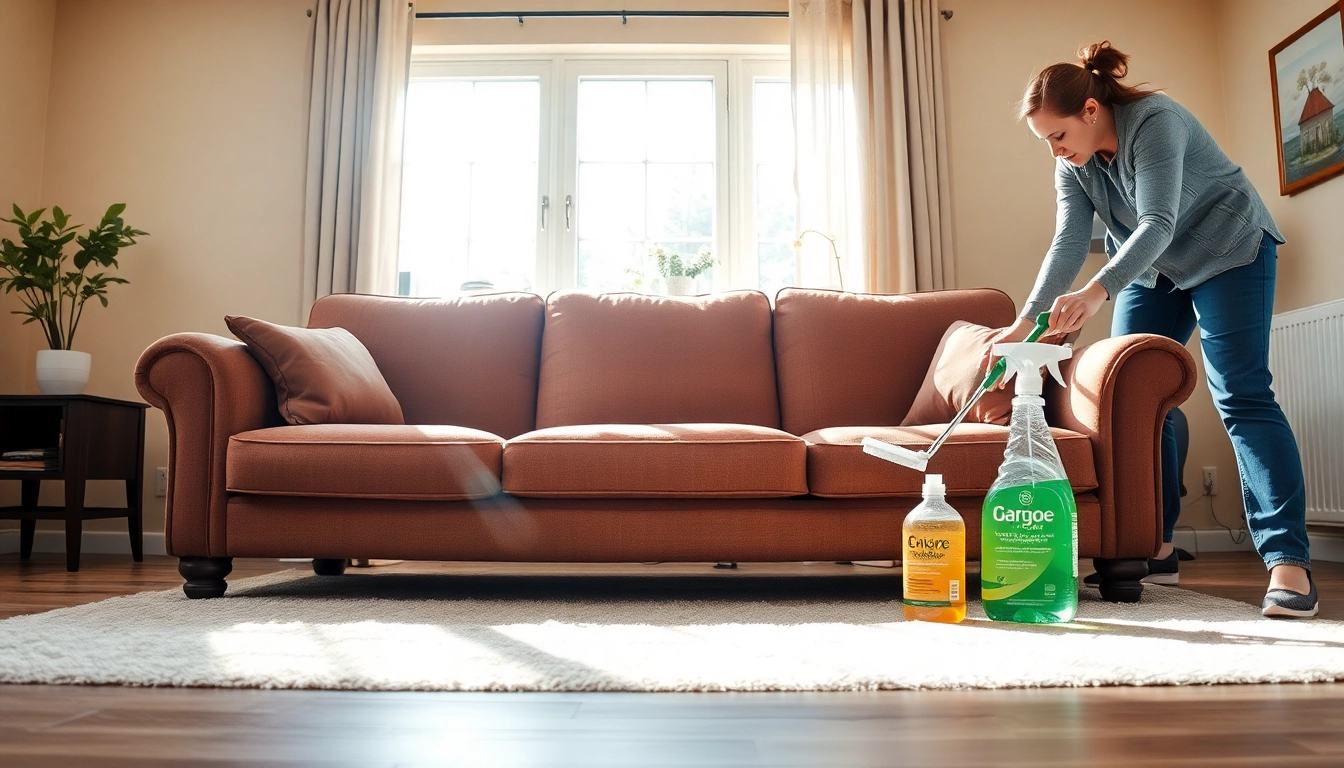
Whether you choose to clean your sofa yourself or hire professionals, having the right equipment makes a significant difference. Here’s what you might need:
- Vacuum Cleaner: With specialized upholstery attachments for thorough dirt removal.
- Soft Brushes: To gently lift debris from textured fabrics.
- Cleaning Solutions: Specifically designed for your sofa’s fabric type.
- Microfiber Cloths: For buffing and drying surfaces after cleaning.
- Steam Cleaner: Effective for deep cleaning, especially for stubborn stains.
Step-by-Step Guide to Sofa Cleaning
Following a systematic approach ensures that your sofa is cleaned effectively without causing any damage. Below is a practical guide to help you through the process.
Preparing Your Sofa for Cleaning
Preparation is crucial for effective cleaning. Here are the steps to follow:
- Remove Cushions: Take off any removable cushions and back pillows to clean individually.
- Vacuum Thoroughly: Use an upholstery attachment to vacuum every crevice, removing loose dirt and hair.
- Check Care Labels: Always inspect the care labels on your sofa to follow specific guidelines related to cleaning.
Thorough Cleaning Techniques
Once your sofa is prepared, you can proceed with cleaning:
- Spot Treatment: Apply a cleaner appropriate for your fabric to any stains and allow it to sit as directed before cleaning.
- Overall Cleaning: Use a suitable cleaner and follow up with a soft cloth or sponge to clean the entire surface gently.
- Steam Cleaning: For deeper cleaning, use a steam cleaner according to the manufacturer’s instructions, ensuring you don’t oversaturate the fabric.
Drying and Maintaining Your Sofa
Post-cleaning maintenance is critical. To ensure your sofa dries properly, follow these steps:
- Air Dry: Allow your sofa to air dry completely by keeping windows open or using fans to promote airflow.
- Regular Maintenance: To prevent future build-up, vacuum your sofa regularly and consider a professional clean every 6-12 months.
- Condition Leather: If your sofa is leather, apply a conditioning treatment every few months to prevent drying and cracking.
Common Mistakes to Avoid in Sofa Cleaning
Even with the best intentions, some cleaning mistakes could lead to damage or ineffective cleaning. Here’s what to avoid:
Using the Wrong Products
Always use products specifically designed for your sofa’s material. Using bleach or harsh chemicals can lead to discoloration and deterioration.
Neglecting Stain Treatment
It’s easy to ignore a small stain thinking it will fade, but untreated stains can set and become permanent. Tackle stains as soon as they occur.
Skipping Regular Maintenance
Regular cleaning is essential to keep your sofa looking fresh and new. Skipping maintenance leads to deeper dirt penetration, making future cleaning more challenging.
FAQs about Sofa Cleaning in Glasgow
How often should I clean my sofa?
It’s recommended to clean your sofa at least every six months, or more frequently if you have pets or allergies.
Can I clean my sofa without professional help?
Yes, routine cleaning can be done at home. However, professional cleaning can be beneficial for deep stains or specific fabric types.
What are the best products for cleaning sofas?
Use products that are specifically designed for your sofa’s fabric type. Look for gentle, non-toxic options for optimal results.
How long does it take for a sofa to dry after cleaning?
Drying times vary, but generally, sofas can take anywhere from a few hours to overnight to fully dry depending on the method used.
Are there any risks of damage during cleaning?
Yes, improper cleaning methods or products can lead to damage such as discoloration, shrinkage, or material degradation. Always follow care instructions.