Understanding Modern Lighting Design
The Basics of Modern Lighting
Lighting plays a vital role in the overall design of a space, influencing both aesthetics and functionality. Understanding modern lighting design involves recognizing its foundational elements, which include brightness, distribution, color temperature, and fixture types. Good lighting should not only illuminate but also enhance the mood and character of a room. Modern lighting embraces simplicity and minimalism, often favoring clean lines and creative forms that serve both practical and decorative purposes.
Importance of Lighting in Interior Spaces
Lighting significantly affects our perception of space. It can make rooms appear larger or cozier, highlight architectural features, and improve overall mood. For instance, bright lighting can invigorate an area, ideal for kitchens or workspaces, while softer tones can nurture a calming environment, perfect for bedrooms or relaxation areas. Moreover, smart lighting solutions allow for dynamic changes to the light’s intensity and color, aligning with the activities or feelings we seek in different areas, thus emphasizing the importance of carefully planned lighting in interior design. Consider the valuable opportunity to Shop ModernLighting while assessing your space’s needs.
Trends in Modern Lighting Styles
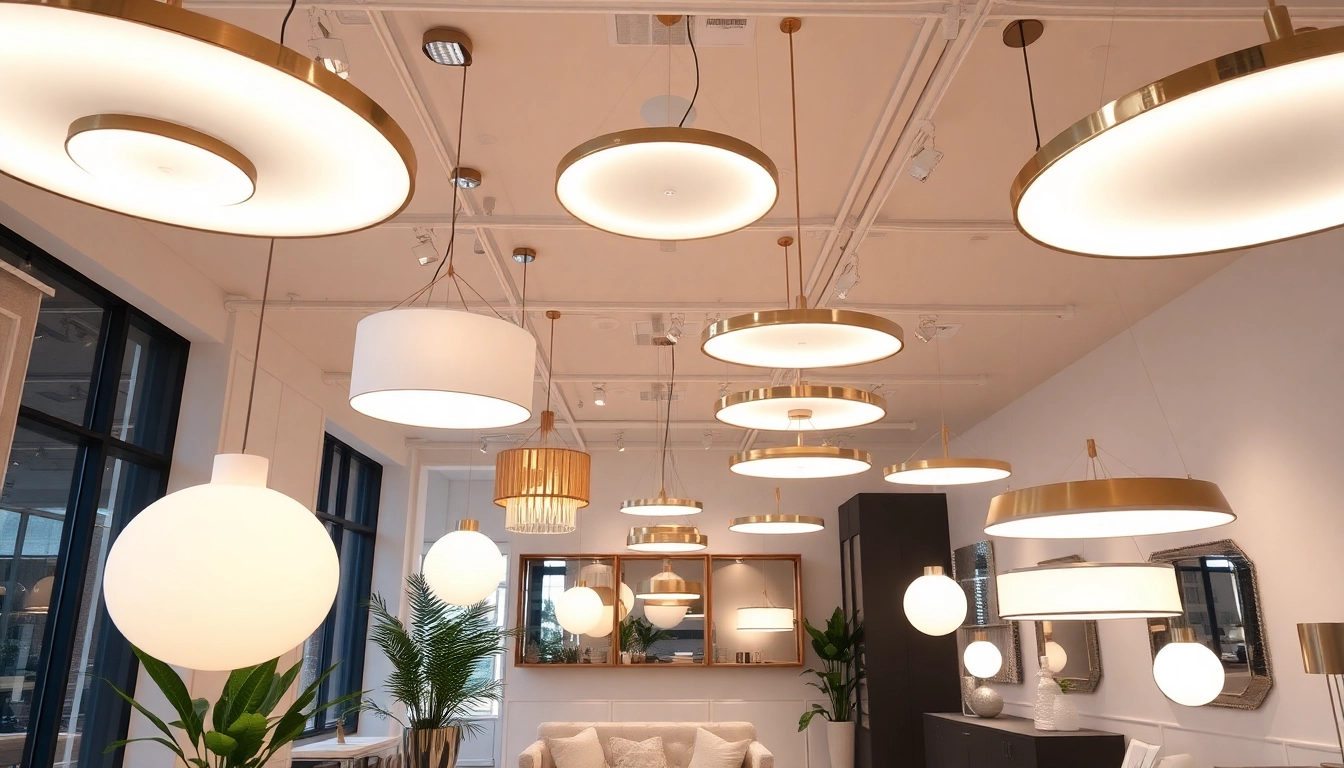
Modern lighting is defined by its adaptability and variety. Current trends include fixtures that combine various materials, such as metal and glass, and innovative shapes that challenge traditional norms. Additionally, eco-conscious designs incorporating sustainable materials are rising, reflecting a broader societal move towards sustainability. Integrating smart technology with traditional lighting is becoming increasingly common. Many homeowners are opting for fixtures that allow remote control of brightness and color settings, providing both convenience and efficiency to everyday living.
Choosing the Right Fixtures
Types of Modern Lighting Fixtures
Choosing the right lighting fixtures can drastically influence the feel of a room. There are three main types of lighting fixtures, each serving distinct functions. Ambient lighting provides general illumination (like recessed lighting or ceiling-mounted fixtures), task lighting is designed for specific activities (such as reading lamps or under-cabinet lights), and accent lighting highlights particular features (like wall sconces or track lighting). Blending these types effectively can create a well-rounded lighting plan that addresses all day-to-day needs.
Factors to Consider When Shopping ModernLighting
When it comes to selecting modern lighting fixtures, there are several essential factors to keep in mind. First, consider the room’s purpose and size, as these will dictate the intensity and type of lighting needed. Second, think about the fixture’s style concerning your overall decor—select designs that complement existing furnishings while reflecting your personal aesthetic. Moreover, energy efficiency is increasingly significant; opt for LED fixtures that provide illumination without the environmental impact of traditional bulbs. Finally, budget constraints should also be a consideration, as modern lighting can vary widely in price.
How to Blend Fixtures with Your Decor
Integrating lighting fixtures into your existing decor requires a thoughtful approach. Start by establishing a cohesive color palette and selecting fixtures that either match or complement those tones. For modern spaces, consider minimalist designs that will not overwhelm the area’s aesthetic. Mixing styles can also be effective—stringing diverse materials and finishes together can create an eclectic yet harmonious look. In addition, ensuring the scale of the lighting fixtures corresponds appropriately to the size of the room is crucial; oversized fixtures can dominate a small space while tiny fixtures may get lost in large rooms.
DIY Installation Tips
Tools Needed for Installation
Installing modern lighting fixtures can be a rewarding DIY project. Essential tools you’ll need include a screwdriver, a voltage tester, pliers, a wire stripper, and a ladder, especially for higher installations. Protective gear like gloves and goggles is also recommended to ensure safety during the installation process.
Safety Precautions to Follow
Safety should always come first when dealing with electrical fixtures. Before starting the installation, ensure you turn off the power at the circuit breaker to avoid any shocks. Always use insulated tools, and be cautious of any overhead wires while using a ladder. If you’re uncomfortable handling electrical components, don’t hesitate to consult a qualified electrician for assistance.
Step-by-Step Installation Guide
Once you have your tools ready and safety precautions in place, follow these steps for a successful installation:
- Turn off the power at the breaker.
- Remove the old fixture by disconnecting the wires and unscrewing the mounting bracket.
- Prepare the new fixture by following the manufacturer’s instructions.
- Connect the new fixture’s wires to the corresponding wires in the ceiling (typically black to black, white to white, and green or copper for ground).
- Secure the fixture in place, ensuring it is stable.
- Turn the power back on and test the new lighting to ensure it works correctly.
Maximizing Lighting Effects
Layering Your Lighting
To create a dynamic and functional lighting scheme, layering is essential. This means combining ambient, task, and accent lighting in each space to provide versatility. Layered lighting not only improves functionality but also enhances the visual appeal of the room. For example, using floor lamps alongside recessed lighting and strategically placed wall sconces can create depth and highlight different areas in a living space.
Utilizing Smart Lighting Solutions
Smart lighting solutions allow you to control your home’s illumination through apps or voice commands. Investing in smart bulbs and fixtures can offer advanced features such as scheduling, dimming, and adjusting color temperatures according to your mood. This technology not only provides convenience but can also enhance energy efficiency and reduce electricity costs, as you can easily turn off lights remotely or set schedules when you’re away.
Creating Ambiance with Dimmer Switches
Dimmer switches offer an effective way to adjust the mood of a room effortlessly. By providing the ability to control the intensity of light, dimmers can help transition a space from bright and functional to warm and cozy. Consider installing dimmers in areas like dining rooms, living rooms, and bedrooms, where atmosphere can significantly affect comfort and experience. When choosing a dimmer, ensure it matches the type of bulbs used, as not all bulbs are compatible with dimming circuits.
FAQs About Modern Lighting
What is the best area to install pendant lights?
Pendant lights are ideal for dining areas, kitchens, or over a bar, enhancing visibility and style.
How can I choose the right wattage for bulbs?
Select wattage based on fixture type and room size; brighter spaces may require higher wattage for optimal illumination.
Can I mix different styles of lighting fixtures?
Yes, mixing styles can create a unique and personalized aesthetic, but ensure they complement each other.
What types of bulbs are best for modern lighting?
LED bulbs are recommended for efficiency, longevity, and a variety of color temperatures suitable for modern lighting.
How often should I replace my lighting fixtures?
Replace fixtures every 5-10 years or when they show signs of wear, flickering, or decreased brightness.